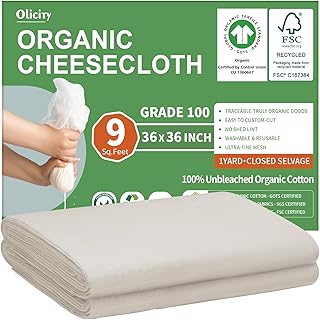
Cheesecloth is one of those humble kitchen tools that often gets overlooked until you need it. This versatile, woven cotton fabric is a staple for serious home cooks, bakers, cheesemakers, and even crafters. Far more than just a tool for making cheese, a high-quality cheesecloth is indispensable for a wide range of culinary tasks, from straining stocks and yogurts to bundling herbs and polishing chocolate. Understanding the different types and grades available is key to unlocking its full potential in your kitchen.
What is Cheesecloth and What Are Its Primary Uses?
At its core, cheesecloth is a lightweight, gauzy cotton cloth with an open weave. Its name comes from its traditional use in cheesemaking, where it's used to drain whey from curds, shaping soft cheeses like ricotta, paneer, and chèvre. However, its utility extends far beyond the cheese cave. In the kitchen, it's perfect for straining broths, consommés, and nut milks to achieve crystal-clear liquids. It's ideal for making yogurt, as it allows whey to drain off to create thick, Greek-style yogurt. Many cooks use it as a bouquet garni bag for herbs and spices, or to wrap and brine poultry, like the classic cooking turkey technique.
Understanding Cheesecloth Grades: Why Grade Matters
Not all cheesecloths are created equal. They are classified by "grade," which refers to the number of threads per inch. A lower grade (like 10 or 20) has a very open, loose weave, while a higher grade is much tighter and finer.
Grade 100 Cheesecloth, often called "butter muslin," is the finest and tightest weave available. It's the gold standard for tasks where you need to catch the tiniest particles. This is what you want for straining fine sediments from wine, clarifying butter to make ghee, or making the smoothest nut cheeses. Products like the Cotton Farm Grade 100 XL Cheese Cloth exemplify this ultra-dense quality, making them reusable and incredibly effective. For a comprehensive look, you can read our Grade 100 Cheesecloth guide.
Key Features to Look for in a Quality Cheesecloth
When shopping for cheesecloth, several features determine its performance and longevity:
Material: Always opt for 100% unbleached, food-grade cotton. Unbleached fabric ensures no chemical residues, making it safer for food straining. For an eco-conscious choice, look for Organic Cheese Cloths with GOTS certification.
Hemmed Edges: A cheesecloth with finished, hemmed edges (or "closed edges") is crucial. It prevents fraying, makes the cloth more durable for multiple uses, and is much easier to handle. The 12Pcs Reusable Cheese Cloths feature hemming on all four edges for maximum durability.
Size and Pack Count: Consider your needs. Larger pieces (36"x36") are great for big batches or wrapping large items. Precut packs in smaller sizes (like 20"x20" or 15"x15") offer convenience. A 6-Pack of 20x20 Inch cloths or a 4-pack of 15x15 inch cloths provides ready-to-use pieces for various tasks.
Beyond the Kitchen: Creative and Craft Uses
The utility of cheesecloth isn't confined to culinary arts. Its soft, pliable, and breathable nature makes it a favorite in the world of DIY crafts. It's commonly used as a base fabric for ghost decorations, as a delicate wrapping for gifts, in floral arrangements, or even as a fine-mesh fabric for costume design. Its ability to hold shape when stiffened makes it perfect for creative projects. A versatile pack like the one from Mostdream can easily transition from a juicing cheesecloth to a material for holiday crafts.
Care and Maintenance: Making Your Cheesecloth Last
A major advantage of modern cheesecloth is its reusability. To care for your cloth, rinse it immediately in cold water after use to remove food particles. For deeper cleaning, hand-wash or machine wash on a gentle cycle with mild detergent. Avoid bleach, especially on unbleached cotton. Always air dry. With proper care, a high-quality cloth like the High-Grade 100 Cheesecloth 6-Pack can be used dozens of times, making it an economical and sustainable choice compared to disposable, loose-weave options.
Whether you're a seasoned cheesemaker, an avid cook, or a weekend crafter, having the right cheesecloth on hand opens up a world of possibilities. By choosing a durable, Grade 100 cheesecloth with hemmed edges, you're investing in a versatile tool that will serve you well for years. For more detailed information on all the types and applications, be sure to check out our comprehensive Ultimate Guide to Cheesecloth.